
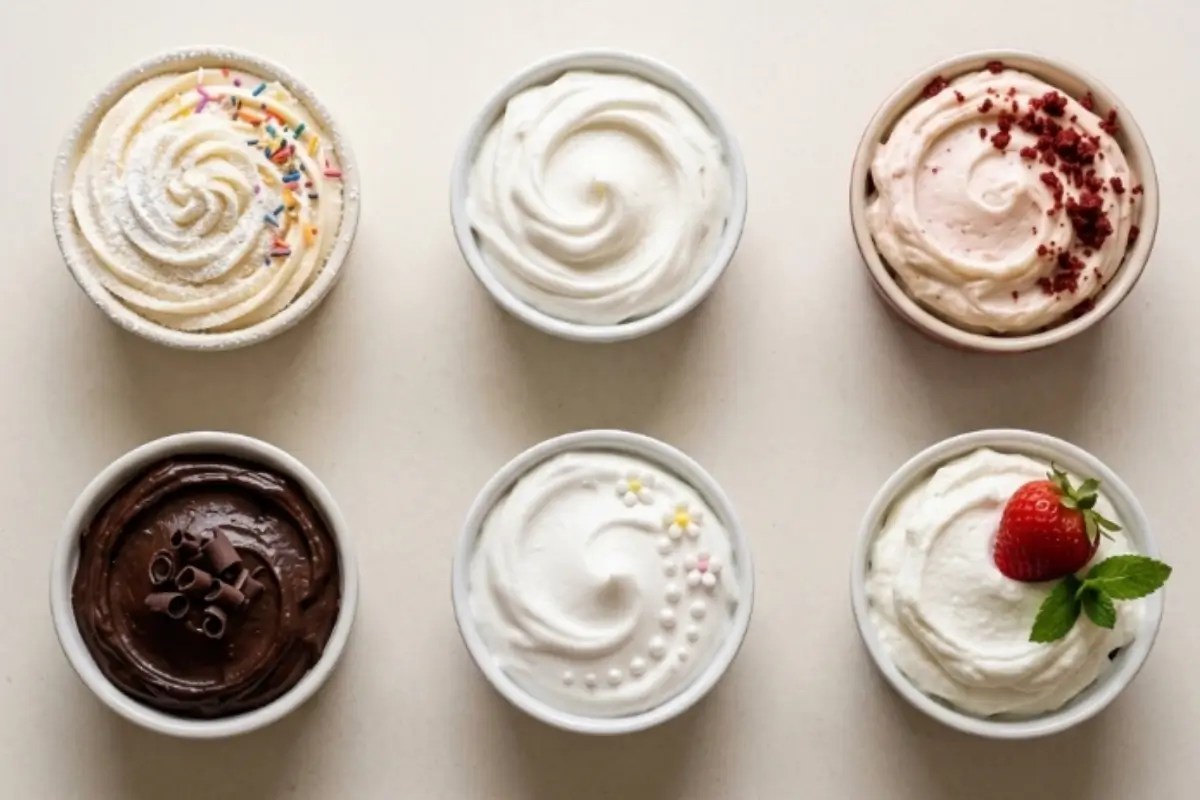
Types of Frosting Guide: there are more than most home bakers realise, and choosing between them can feel quietly overwhelming before you've even opened the cupboard. I want to change that for you today.
I still remember standing in my mother's kitchen as a little girl, watching Nonna lift a worn wooden spoon from a bowl of something pale, silky, and impossible to name.
She smoothed it over a plain sponge cake with one slow, confident movement no measuring, no fuss and the whole room smelt like warm butter and something faintly citrusy. "La crema," she called it. Just the cream. That was enough.
Decades later, I opened a recipe book for a birthday cake and read the words "Swiss meringue buttercream". I felt exactly the opposite of Nonna. I felt completely out of my depth.
This guide is the one I wish I'd had that day. By the time you finish reading it, you will know exactly what every important frosting is, how it behaves, what it tastes like, and most importantly which one belongs on your cake. You won't need to feel out of your depth ever again.
From the Kitchen Table to Yours
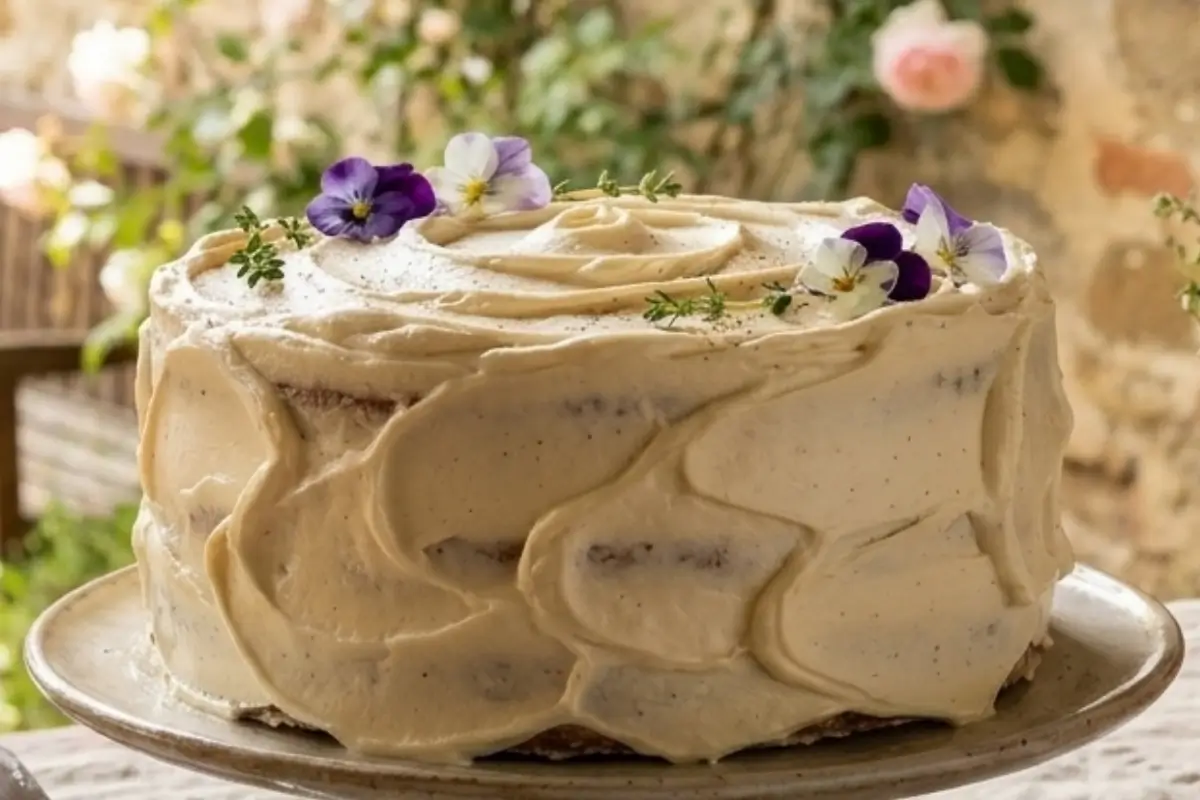
Frosting is not decoration. It is not an afterthought. It is the part of the cake that brings everything together the layer that makes a birthday feel like a birthday and that turns a simple afternoon bake into something people remember.
But with so many names, so many techniques, and so much conflicting advice floating around, it's easy to feel overwhelmed before you've even turned on the oven. I've been there.
I've made the grainy buttercream and the runny cream cheese mess and the Swiss meringue that looked broken for twenty terrifying minutes.
I've made every mistake so you don't have to. Let's start.
First, let's settle this: frosting vs icing vs glaze
This trips up almost everyone, and I want you to know: it's not your fault. Even professional bakers use these words loosely.
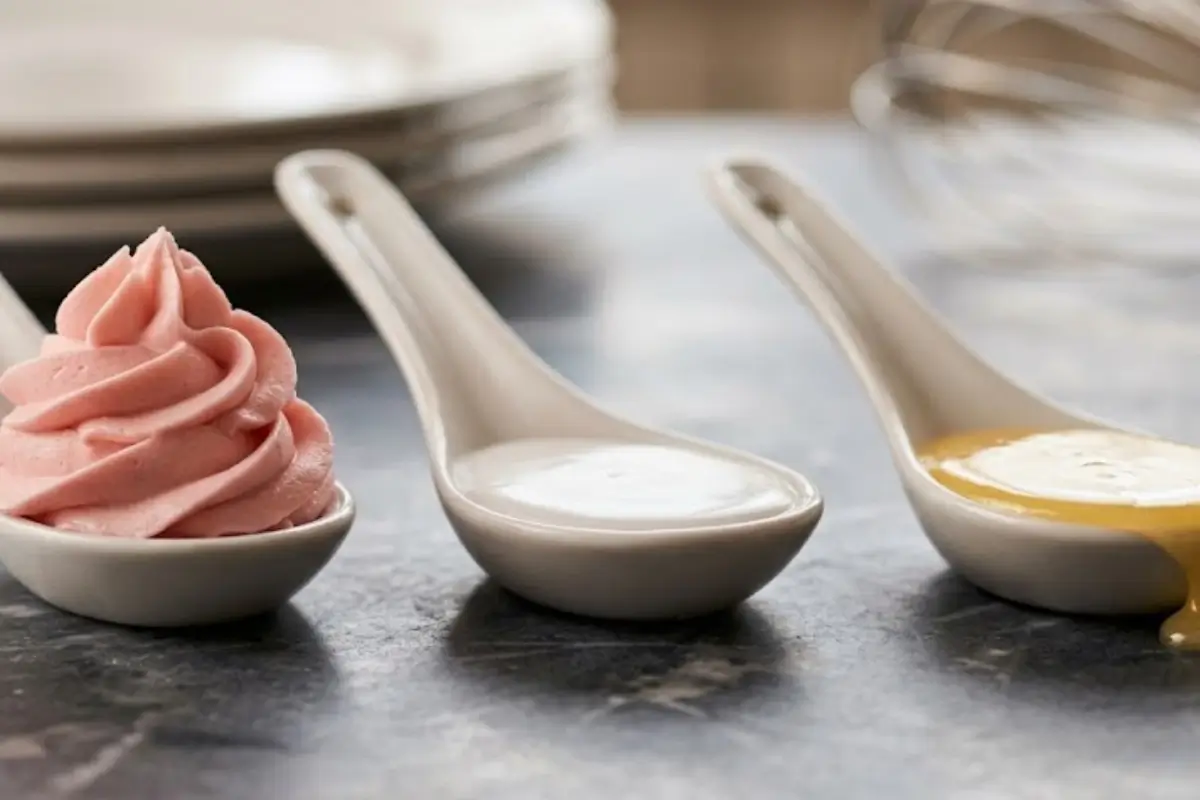
Here is the honest version. Frosting is thick, creamy, and spreadable. It's fat-based: butter, cream cheese, or mascarpone is almost always at the heart of it. It holds its shape, it pipes beautifully, and it stays soft on the cake.
When you picture a swirl on top of a cupcake or a smooth coat on a birthday layer cake, you're picturing frosting.
Icing is thinner and usually sugar-forward. It dries to a firmer finish, sometimes glossy, sometimes matte. Royal icing, the kind you use to decorate cookies, is the most familiar example. It's not soft and pillowy; it sets and holds detail.
Glaze is the thinnest of all. It pours. It drips. It coats the back of a spoon and runs in slow, beautiful rivers down the side of a bundt cake. A simple lemon glaze or a dark chocolate drip those are glazes.
Nonna would have called all of it la crema and not thought twice. She never worried about the label. The label is for us, for moments when a recipe says "Swiss meringue," and we need to know what that actually means.
Now that we've settled that, let's meet every frosting worth knowing.
The Types of Frosting Guide Every Home Baker Should Know
There are more than a dozen frostings in the baking world. I'm going to give you the ones that actually matter in a home kitchen the ones you'll reach for again and again. For each one, I'll tell you what it is, how it tastes, what it's best for, and one mistake to avoid before you even get started.
American Buttercream: The One Everyone Starts With
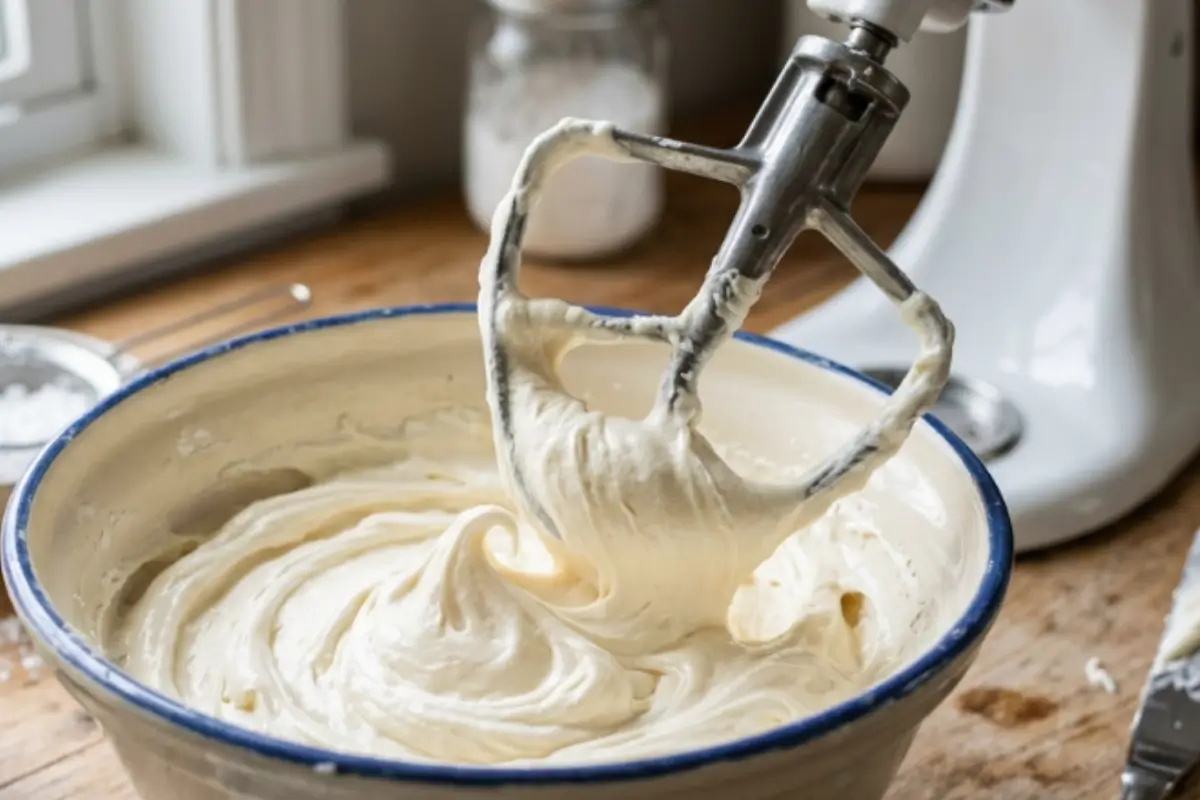
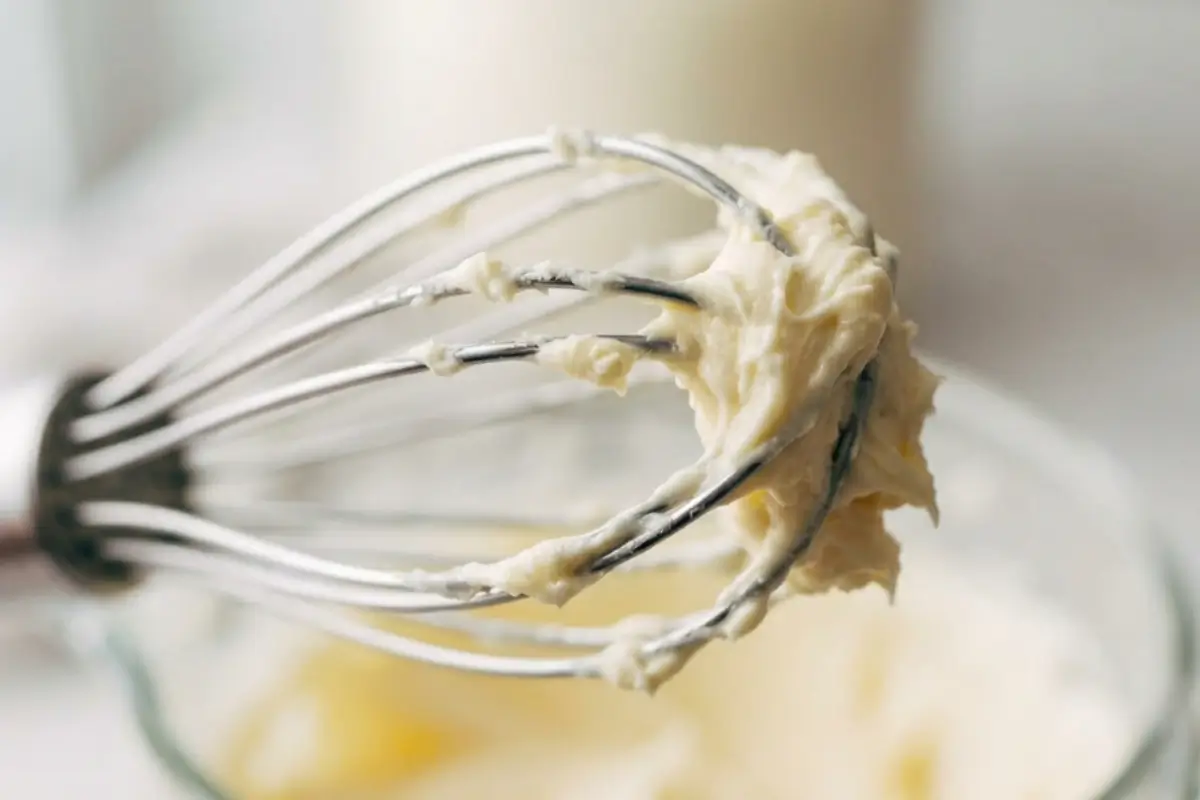
There's a reason this is the first frosting most of us ever make. American buttercream is butter and powdered sugar beaten together until they become something cloudlike and sweet and unmistakably birthday cake. It's the frosting that smells like childhood.
You'll flavour it with vanilla. You'll tint it pink for a daughter's party or chocolate-brown for a sheet cake. It's endlessly adaptable, it pipes beautifully, and it holds its shape without any of the technical steps that make other frostings feel intimidating.
Here's the one thing I want you to remember: your butter must be at room temperature before you start. Not soft-ish. Fully, genuinely, poke-your-finger-in-and-it-leaves-an-impression room temperature.
Cold butter will give you grainy, lumpy frosting no matter how long you beat it. This is the most common mistake I see, and it is entirely avoidable with twenty minutes of patience.
Best for: cupcakes, birthday cakes, sheet cakes, cookie decorating, and anywhere you want to pipe.
You'll know it's right when it holds a soft peak, and the bowl looks clean around the edges. Beat it for at least 3–5 minutes after everything comes together that's what makes it light and fluffy rather than heavy and dense.
One more bonus: American buttercream forms a very light crust as it sits, which makes it excellent for cakes that need to travel or sit out for a few hours.
Cream Cheese Frosting: Tangy, Rich, and Worth It
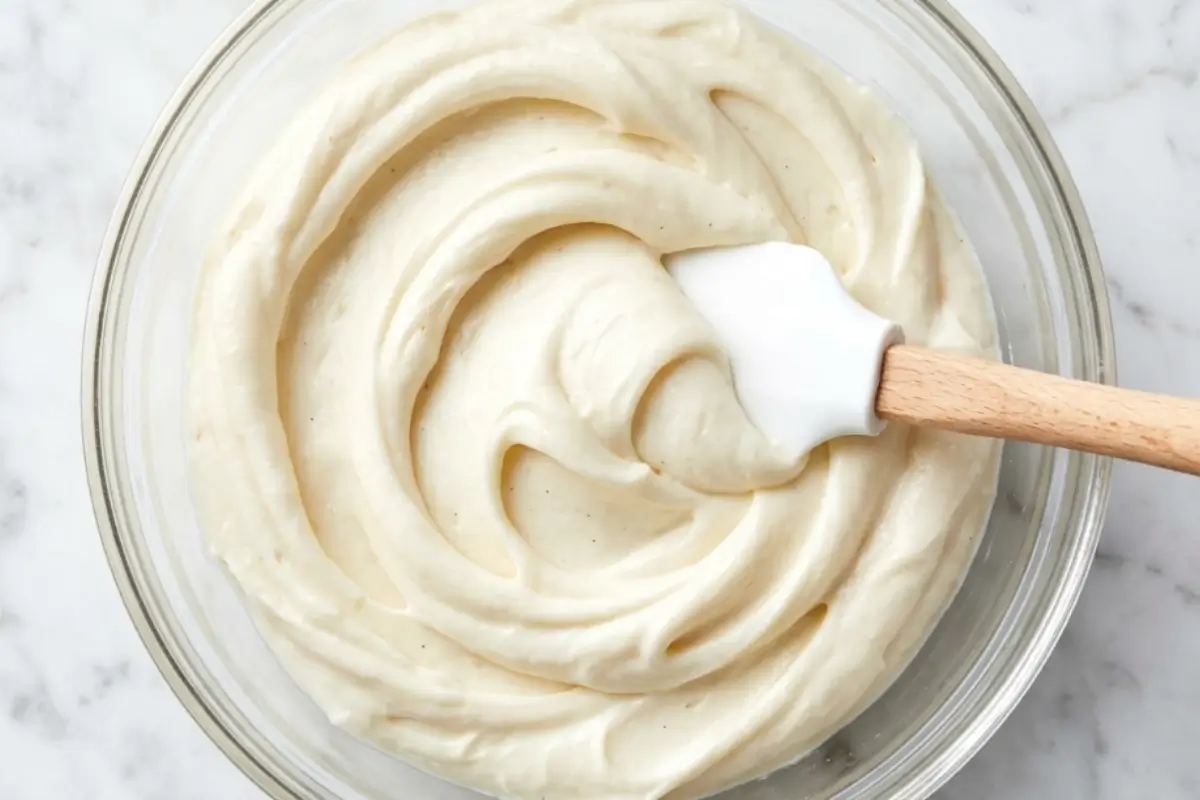
The moment that tang hits the back of your throat, you'll understand exactly why cream cheese frosting belongs on carrot cake and red velvet. That slight acidity cuts through the sweetness of the cake in a way that buttercream simply can't.
Making it is simple: cream cheese, butter, powdered sugar, and vanilla. But there is one step that almost every recipe glosses over, and it is the step between you and a piping bag disaster:
Your cream cheese must be cold: Unlike buttercream, where you need room-temperature butter, cream cheese frosting needs cold cream cheese to hold its structure.
Once you've made it, chill the frosting for at least 20–30 minutes before you try to pipe it. This is non-negotiable.
Here's my honest confession: the first three times I made this frosting, I tried to pipe it straight from the mixing bowl. Three times, it slid off the cupcake like a warm summer goodbye. Chilling is the step no one tells you, and now I'm telling you.
Best for: carrot cake, red velvet, spice cupcakes, and anything where you want a little tang in the richness.
Don't over-beat it after adding the powdered sugar over-mixing makes the frosting looser, not fluffier.
Swiss Meringue Buttercream: Silky, Less Sweet, and Less Scary Than You Think
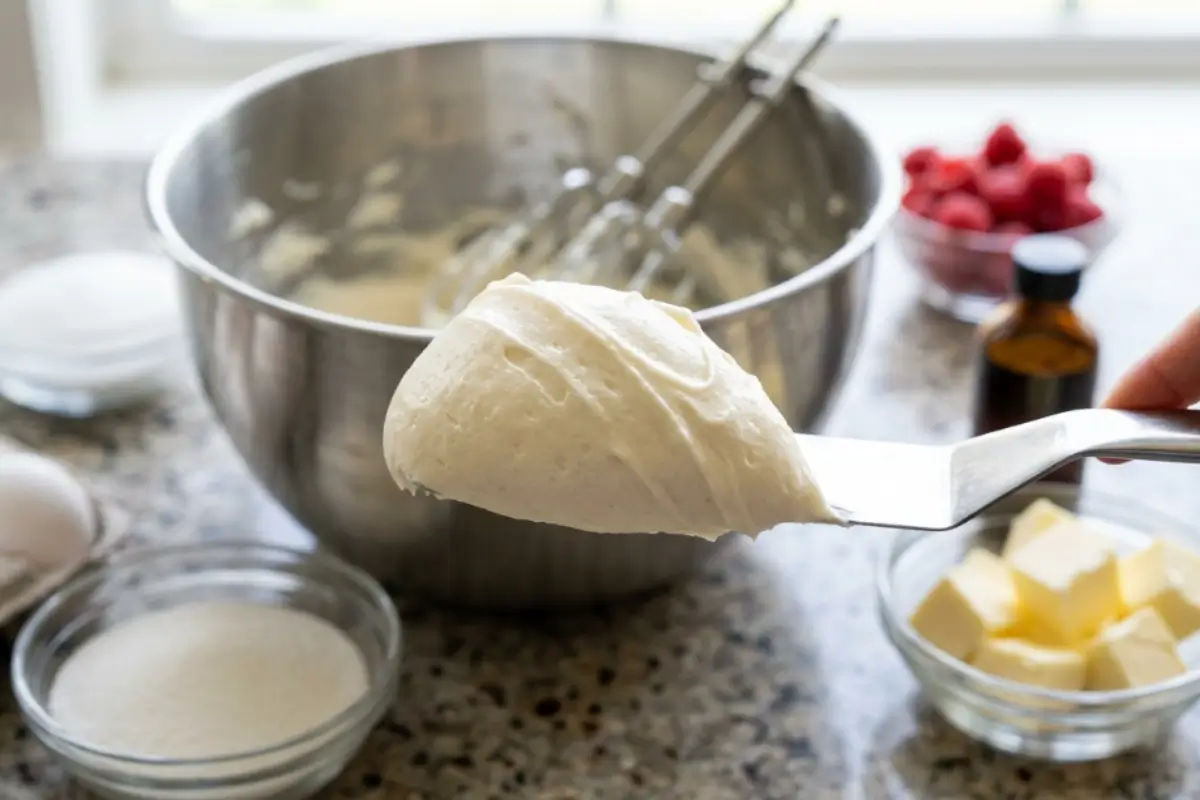
I know. You've seen it on baking shows. You've read about heating egg whites and sugar over a bain-marie and thought, 'That's not for someone like me.
I am here, kitchen table to kitchen table, to tell you it is.
Swiss meringue buttercream is made by heating egg whites and sugar together over a pot of barely simmering water, gently, slowly, just until the sugar dissolves and the mixture feels hot to the touch, and then whipping it into a glossy, stiff meringue.
Then you add cold butter, piece by piece, and something almost magical happens. The mixture transforms into the silkiest, most elegant frosting you've ever tasted. Less sweet than American buttercream. Smooth as cold butter on warm bread.
Here is the part that frightens people: at some point during the butter addition, your beautiful meringue will look broken. Soupy. Like something has gone terribly wrong.
It hasn't. Keep going. Keep beating. It always comes back together usually within 2–3 more minutes. This happens to me in a warm kitchen almost every single time, and I've stopped being startled by it. The emulsion sorts itself out if you trust it.
Best for: layer cakes, wedding cakes, and any cake where you want a refined, less-sweet finish.
You'll know it's right when the bowl feels cool to the touch and the frosting is glossy, holds soft peaks, and doesn't look greasy.
Italian Meringue Buttercream: The Silkiest of All
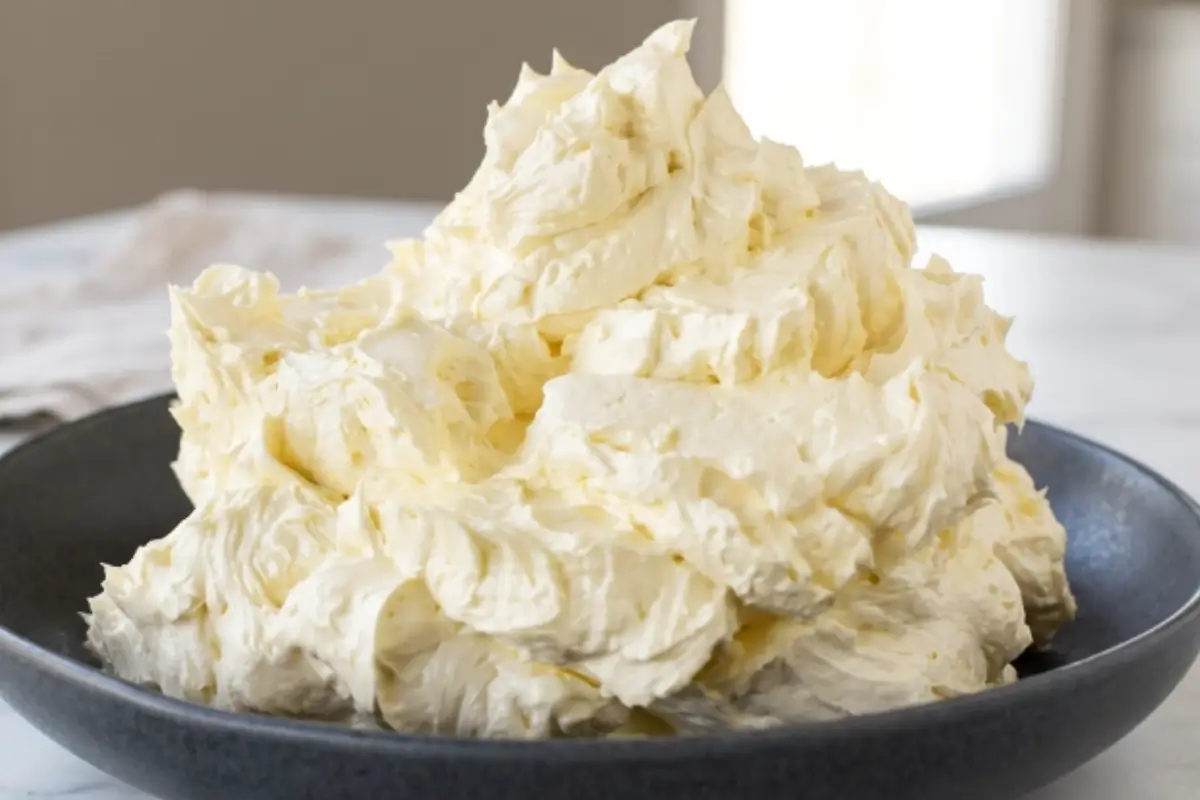
This is Swiss meringue's more technical sibling. Instead of heating egg whites and sugar together over a bain-marie, you make a hot sugar syrup separately, cooking it to precisely 240°F / 115°C and pour it in a thin stream into whipping egg whites. Then the butter goes in, exactly as with Swiss meringue.
The result is the most stable, the most silky, and the most authentically Italian buttercream in existence. In the old pastry kitchens of Southern Italy, crema al burro all'italiana was the frosting for special occasion celebrations that needed something worthy of the moment.
You do need a thermometer: That's the step that separates this from Swiss meringue there's no getting around the syrup temperature.
But if you're making a tiered birthday cake, a wedding cake, or anything that needs to survive a warm evening without drooping, this is the frosting that will carry it through.
Best for: celebration cakes, tiered cakes, any high-stakes bake
This is the one I pull out for the moments that matter most. It shows.
Chantilly Cream Whipped Cream Frosting: Light as a Cloud
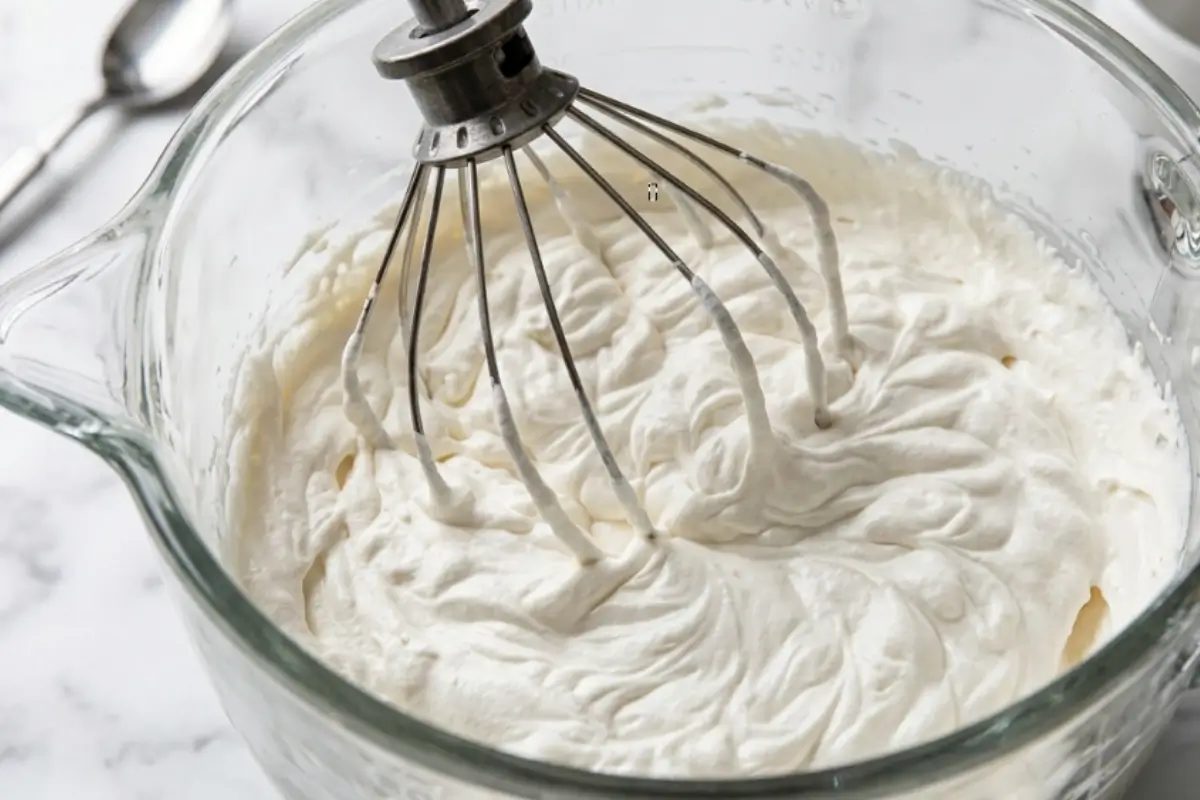
If you've ever felt like buttercream was too much, too rich, too sweet, or too heavy, this is your frosting.
Whipped cream frosting is exactly what it sounds like: heavy cream whipped with a little powdered sugar and vanilla until it holds soft, billowy peaks.
Stabilised with a small addition of mascarpone or cream cheese, it holds long enough to frost a cake without sliding off the moment you turn your back.
It is gentle. It is delicate. It smells like a summer afternoon.
The honest caveat: it cannot be piped into detailed rosettes or sharp-edged decorations. It's a rustic frosting: swoops and swirls and soft peaks. And it must be refrigerated.
But on a fresh berry cake or a light lemon sponge, there is nothing more beautiful.
Best for: fresh fruit cakes, light sponges, anything served the same day
Refrigerate immediately after frosting and serve chilled.
Ganache Chocolate, But Make It a Frosting
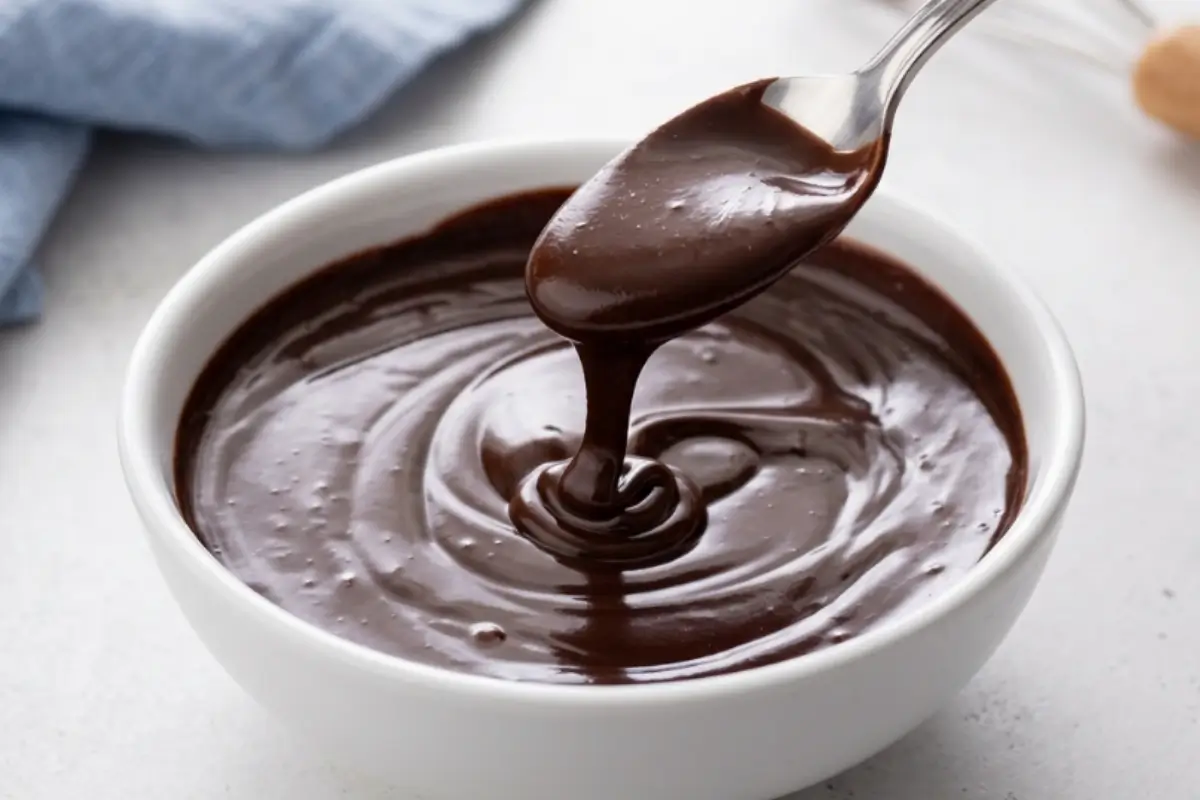
Ganache is one of those things that sounds far more complicated than it is. It is chocolate and warm cream, stirred together into something glossy, rich, and deeply satisfying. The only thing you need to know the one thing that changes everything is the ratio.
1 part cream to 1 part chocolate = pourable ganache. This is your drip glaze, your glossy coat, your dramatic dark river running down the side of a white cake.
1 part cream to 2 parts chocolate = thick, spreadable ganache. This is your frosting cooled to room temperature, it becomes as smooth and workable as buttercream, with a depth of chocolate flavour that nothing else can match.
Whipped ganache = take your pourable ganache, let it cool completely, then beat it with an electric mixer until it goes pale, fluffy, and pipeable. This is the version that makes chocolate lovers forget that other frostings exist.
You'll know it's ready to pour when it coats the back of a spoon cleanly and you can draw a line through it that holds for two seconds before closing.
Best for: chocolate cakes, drip cakes, chocolate cupcakes, and anywhere you want intense, unfussy chocolate flavour.
Ermine Frosting: The Old-Fashioned One That Deserves a Comeback.
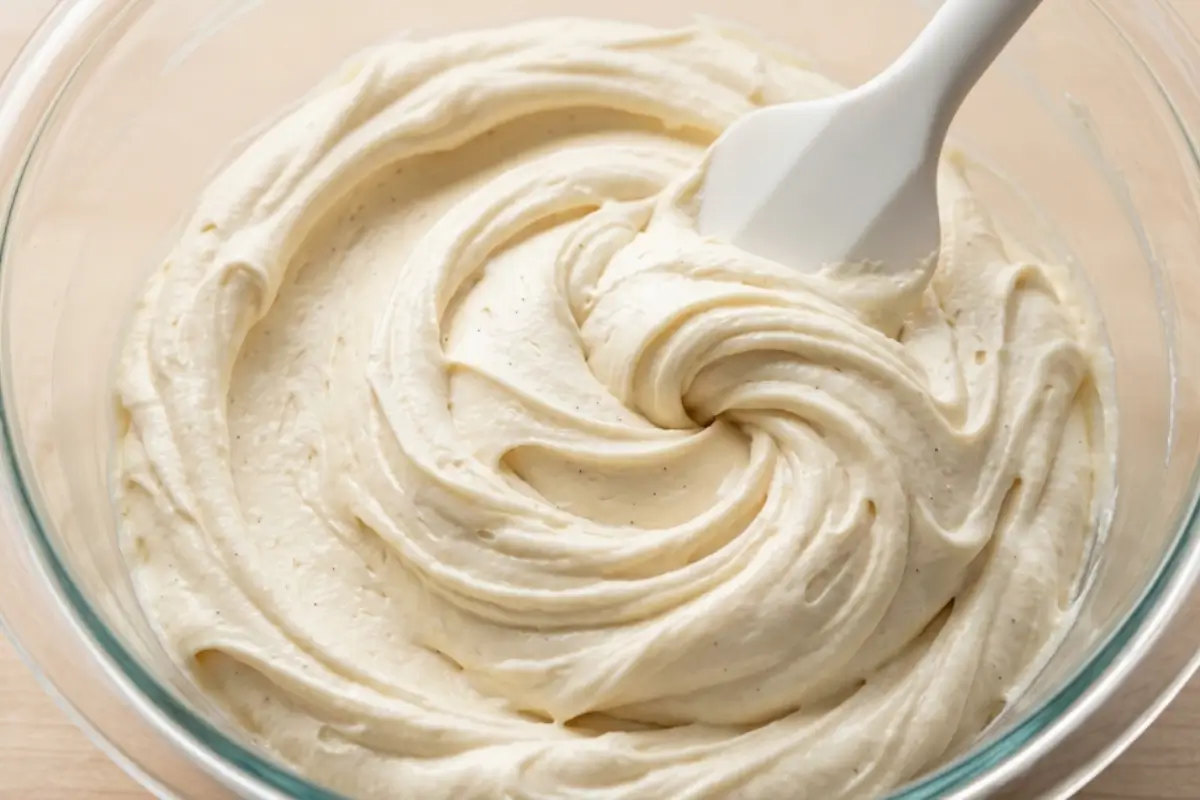
Here is a piece of baking history that most home bakers have never heard of: Before cream cheese frosting became synonymous with red velvet cake, the original pairing was ermine frosting. Flour frosting. Boiled milk icing.
You cook flour and milk together into a thick paste, let it cool entirely, and then beat it into softened butter with a little sugar. The result is lighter than American buttercream, less sweet, and almost impossibly fluffy. It tastes the way old-fashioned baking books smell: warm, nostalgic, quietly wonderful.
I found this frosting in an old hand-copied recipe card tucked into a cookbook that belonged to an Italian-American aunt. She called it "the old cream". She was right.
Best for: red velvet cake (its original pairing), vanilla layer cakes, anyone who finds buttercream too sweet
The paste must be fully cooled before beating into the butter warm paste will break the frosting.
Mascarpone Frosting Elena's Italian Secret
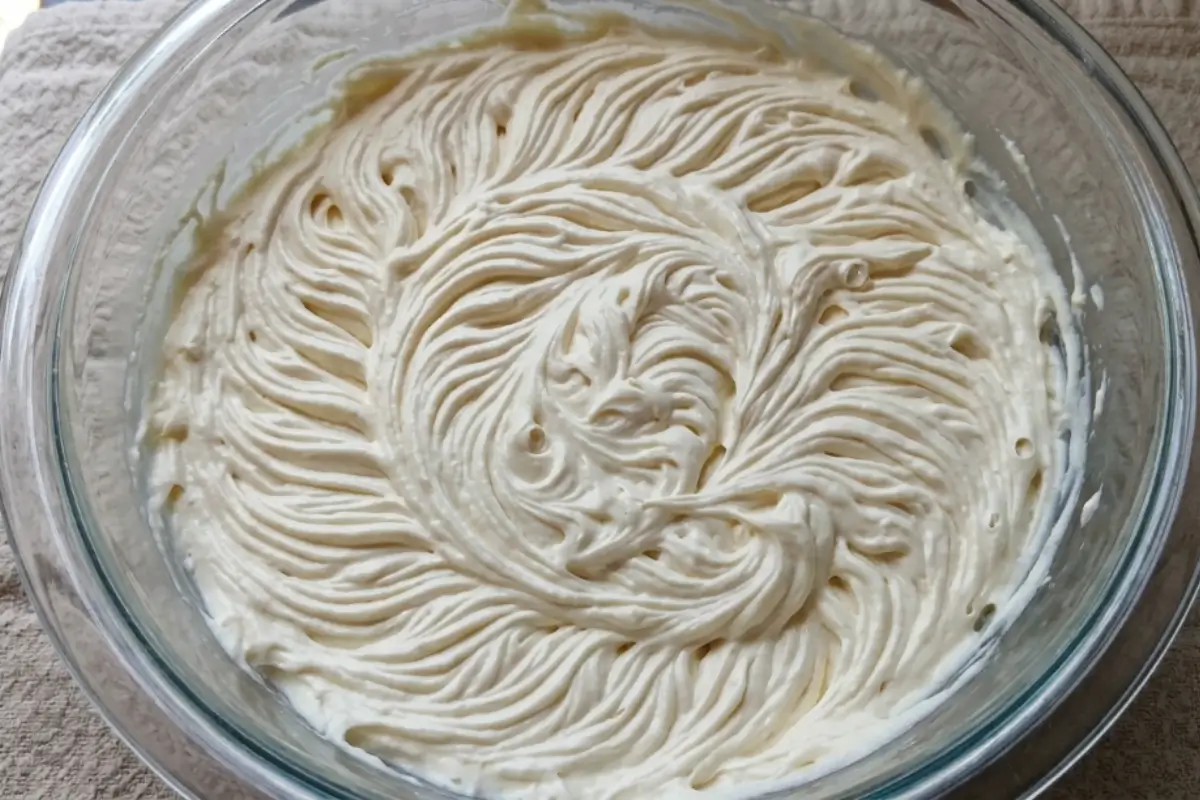
This is the frosting that feels most like home to me.
Mascarpone is a rich Italian cream cheese thicker than cream, softer than butter, and with a delicate flavour that sits somewhere between cream and a very gentle sour note.
Whipped with a little heavy cream and powdered sugar, it becomes something utterly simple and completely special.
In my family, we've put mascarpone on everything since long before it appeared in trendy recipe collections. It belongs on citrus cakes, on olive oil cakes, and on anything with summer fruit. It's the frosting that doesn't shout it lets the cake speak and then makes it even better.
It is not a frosting for intricate piping. It is a frosting for spreading with a palette knife, for swooping loosely over a beautiful cake, and for dolloping generously over individual slices. And it is ready in five minutes.
If you love mascarpone, you'll also love the way it works as a cheesecake base a connection worth exploring.
Best for: Italian-style cakes, citrus cakes, fruit-topped desserts, anything rustic and elegant
Use the same day or refrigerate overnight. Does not freeze well.
Royal Icing: The Cookie Decorator's Frosting
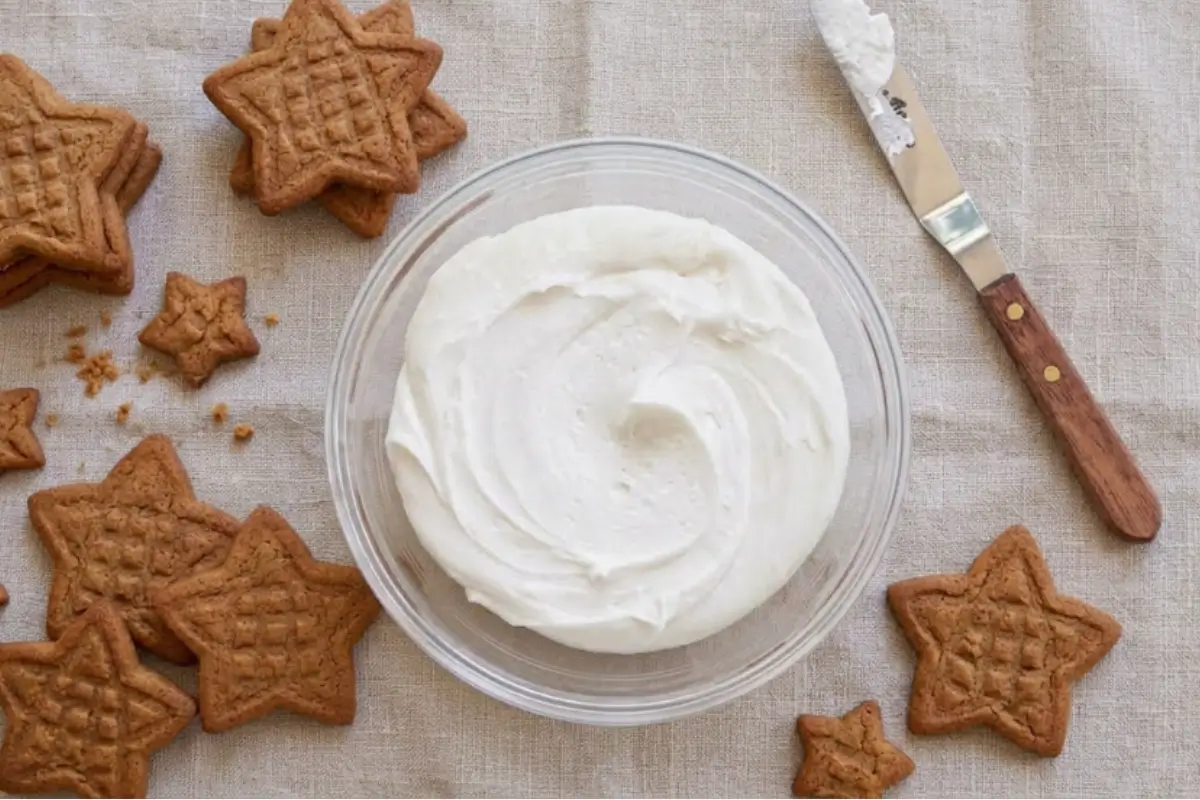
Let's be clear about what royal icing is: it is not cake frosting. It is the tool you reach for when you want to decorate cookies with fine detail a piped snowflake, a flooded surface, or an intricate border.
Royal icing is made from egg whites and powdered sugar beaten to a stiff, glossy peak. It dries hard, which is exactly why it works for cookies and exactly why it doesn't work on a cake you actually want to eat.
Could you put royal icing on a birthday cake? Technically, yes. But you and your guests would end up quietly peeling it off and setting it to the side of the plate, and nobody wants that.
Best for: sugar cookies, gingerbread, decorative cake accents (not as the main frosting)
Fondant: Beautiful to Look At. Let's Have an Honest Conversation
Rolled fondant produces the smoothest, most even cake surface in baking. It is the reason wedding cakes look the way they do. It holds its shape in warm rooms; it can be sculpted into detailed shapes, and visually it is unmatched.
It also, honestly, doesn't taste like much. It's sweet and a little waxy, and most guests quietly slide it off the slice the moment they sit down with their fork.
My honest take: for a home baker baking a birthday cake for people who love the taste of cake, skip it. Your friends would rather eat a well-made buttercream. Life is genuinely too short to cover a perfectly good cake in something no one will eat.
The exception: if you need a cake to survive hours at room temperature or if you're working on something structurally complex where appearance must hold through an event, fondant is the right tool. Use it with intention, not just because it looks impressive in photos.
The compromise I love most is buttercream as your base frosting with fondant accents a bow, some flowers, or a sculpted detail for the visual impact without sacrificing the taste.
Best for: wedding cakes, sculpted novelty cakes, cakes that must survive long display times
Which Frosting Should You Actually Use?
Here is the part every guide skips and every baker actually needs.
When someone asks me which frosting they should make, I always ask them one question first: Who is this cake for? The answer tells me everything.
For birthday cupcakes, reach for American buttercream it pipes easily, holds its swirl, and makes everyone happy. If you're baking carrot cake or red velvet, cream cheese frosting is the only real answer; the tang is the entire point.
A layered celebration cake deserves Swiss or Italian meringue buttercream silky, less sweet, and refined in a way that store-bought can never touch. A chocolate drip cake was born for ganache.
If the cake is being served outdoors in summer, Italian meringue buttercream or ganache are your heat-stable allies. A fresh fruit or citrus cake is at its best under a gentle coat of Chantilly cream or mascarpone frosting, which lets the fruit breathe rather than compete.
Cookie decorating belongs to royal icing nothing else gives you that precision. And for anything rooted in Italian-style baking, mascarpone frosting is quietly, perfectly at home.
You already knew the right answer. You just needed someone to confirm it. Trust that instinct.
Elena's Frosting Secrets (The Tips That Make All the Difference)
Take a breath. You're doing beautifully so far. This is where we make sure nothing trips you up at the last moment.
Why Is My Buttercream Grainy? (And How to Fix It)
This has happened to almost every home baker I've ever spoken to. The cause is almost always one of two things: butter that wasn't fully at room temperature, or not enough mixing time.
If your buttercream is grainy right now in the bowl, fill a small bowl with warm water, hold it against the outside of your mixing bowl for 30 seconds to gently warm the mixture, and beat again for another 3–4 minutes.
The warmth helps the sugar particles dissolve properly into the fat, and the texture comes around.
Prevention is always easier: give your butter a full 45 minutes on the counter before you start. Press your finger into it it should leave a clean dent without any resistance.
Why Did My Cream Cheese Frosting Go Runny?
The most common culprit: cream cheese that was too warm or too much mixing after the powdered sugar went in.
Cream cheese releases moisture as it warms up, and as it's beaten, both things make the frosting progressively looser.
The fix: stop mixing as soon as everything is combined, then refrigerate the frosting for 20–30 minutes before using it.
If it's already too runny to pipe, the fridge will usually rescue it within half an hour.
My Swiss Meringue Looks Soupy and Broken Is It Ruined?
It is not ruined.
Every time I make Swiss meringue buttercream in a warm kitchen which is most of the time there is a moment where it looks entirely wrong. Soupy. Like I've made a terrible mistake.
Keep beating. Keep going. At the broken stage, the emulsion simply hasn't finished forming. Give it another 3–5 minutes at medium-high speed and watch it transform. It will. It always does.
If it still looks soupy after 10 minutes, place the mixing bowl in a larger bowl of ice water for 5 minutes to cool it slightly, then beat again. Cold temperatures help the emulsion set.
Which Frostings Can I Make Ahead?
More of them than you might think. American buttercream keeps in the fridge for up to a week and in the freezer for up to three months just re-whip before using.
Cream cheese frosting is good for 3–4 days in the fridge. Swiss or Italian meringue buttercream keeps for a week refrigerated or three months frozen bring it to room temperature and re-whip before spreading.
Cream cheese frosting is good for 3–4 days in the fridge. Swiss or Italian meringue buttercream keeps for a week refrigerated or three months frozen. Bring it to room temperature and re-whip before spreading.
Ganache lasts beautifully in the fridge for up to two weeks. Mascarpone frosting is best used same-day or the next morning. Chantilly cream should always be made and used the same day.
Baking should fit your life, not the other way around. Making your frosting the day before is one of the best things you can do for a relaxed baking day.
Saving a Little Joy for Tomorrow: Storage, Freezing & Make-Ahead Notes
I know that baking doesn't always line up with the moment the cake is needed. Life gets in the way jobs and school runs and the afternoon that somehow disappears before you've turned on the oven.
Frostings made with butter as the base American, Swiss, Italian meringue, and ermine are the most freezer-friendly. Portion them into airtight containers, freeze for up to three months, and thaw overnight in the fridge.
Always bring to room temperature and re-whip before using; this restores the fluffy texture that freezing compromises.
Frostings made with cream cheese or mascarpone are more fragile. They last beautifully in the fridge for a few days, but they don't love the freezer; the texture becomes grainy after freezing and thawing. Plan to use these soon after you make them.
Ganache is the longest-lived of all. Store it in the fridge for up to two weeks in an airtight jar.
To use: gently rewarm in a small saucepan over very low heat or a short visit to the microwave in 15-second intervals, stirring between each one.
Most frostings tolerate a little advance preparation. Baking should feel like joy, not a race against the clock.
A Note on Dairy-Free and Vegan Frostings
If you or someone at your table is dairy-free or plant-based, the good news is that frosting has never been more adaptable.
American buttercream works beautifully with plant-based butter the texture is nearly identical. Use a good-quality, high-fat plant butter for the closest result to the original.
Ganache can be made entirely dairy-free by substituting full-fat coconut cream for the heavy cream. Use the same ratio as the original, and you'll get a rich, glossy result with a very faint coconut undertone that pairs wonderfully with dark chocolate.
You can make Swiss meringue buttercream vegan using aquafaba, the liquid from a can of chickpeas, in place of egg whites. It whips to a surprisingly stable meringue and takes the plant-based butter beautifully. The process is identical to the standard recipe.
Everyone deserves a beautiful cake. These options make sure they get one.
Making Sweet Memories
I think about Nonna sometimes when I'm smoothing frosting over a cake. The way she moved the spoon was unhurried and completely confident, as if the frosting and the cake had always belonged together. She never consulted a recipe. She just knew.
That knowledge doesn't come from memorising types, ratios, and difficulty ratings. It comes from trying. From the grainy batch of buttercream that taught you about room-temperature butter.
From the runny cream cheese frosting that taught you about chilling. From the Swiss meringue that looked broken and then, when you kept going, came back together.
You are already closer to that confidence than you think. You just needed a starting point.
At AddCakes.com, we believe in memories, not masterpieces. Which frosting will you try first? Tell me in the comments I love knowing what's going into everyone's mixing bowls.
[…] or lazy susan smooth: frosting is about controlled spinning, not frantic spreading. If you don't have a cake turntable, a […]
[…] Step 1: Total and Complete Cooling:Types of Frosting Guide and Which One Is Right for Your Cake […]
[…] believe in memories, not masterpieces. And sometimes, all it takes to make both is a thin layer of frosting and a little faith in […]
[…] we can fix our frosting, we need to understand what’s going into the bowl. When you're making an American […]
[…] What Type of Frosting Should I Use? […]
[…] whipping full-fat canned coconut cream (chilled overnight) with powdered sweetener and lemon zest. It's a different frosting, but it's a lovely […]